Apr.13,2026
A dry type distribution transformer is one of the most widely used electrical devices in modern power distribution systems. It plays a key role in stepping down voltage levels for safe use in residential, commercial, and industrial applications. Unlike oil-immersed transformers, a dry type distribution transformer uses air for cooling and solid insulation materials instead of liquid coolant.
Because of its safety, environmental friendliness, and low maintenance requirements, the demand for dry type power transformers has increased significantly in recent years. These transformers are commonly installed in buildings, hospitals, shopping malls, data centers, and renewable energy systems.
In this article, we will explain the working principle of a dry type distribution transformer, its structure, advantages, applications, and key technical features in a simple and SEO-friendly way.
A dry type distribution transformer is an electrical transformer that transfers electrical energy between circuits without using any liquid insulation or cooling medium. Instead, it relies on air circulation and solid insulation materials such as epoxy resin.
The main function of a dry type distribution transformer is to reduce high voltage electricity from the power grid to a lower, usable voltage level. This makes it safe for end users and sensitive equipment.
Compared to oil-filled transformers, dry type power transformers are safer in fire-prone environments and are more environmentally friendly because they do not use flammable liquids.
The working principle of a dry type distribution transformer is based on electromagnetic induction, which is a fundamental concept in electrical engineering.
When alternating current (AC) flows through the primary winding of the transformer, it creates a changing magnetic field. This magnetic field passes through the core and induces a voltage in the secondary winding.
This process follows Faraday’s Law of Electromagnetic Induction:
This is the core operating principle of all dry type power transformers.
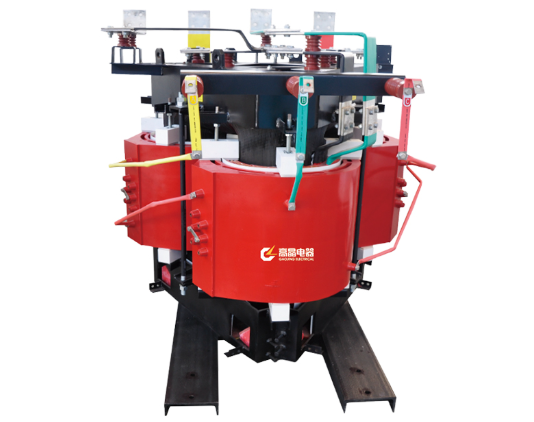
To better understand how a dry type distribution transformer works, it is important to know its main components:
The core is usually made of high-grade silicon steel. It provides a low-resistance path for magnetic flux.
These are copper or aluminum conductors insulated with epoxy resin or varnish. They are responsible for voltage transformation.
Unlike oil transformers, dry type transformers use solid insulation materials such as:
Cooling is achieved through natural air circulation or forced air (fans). Heat is dissipated directly into the surrounding environment.
The operation of a dry type distribution transformer can be broken down into simple steps:
This entire process happens continuously and efficiently, making dry type power transformers highly reliable for continuous operation.
Modern dry type power transformers offer several important features:
Due to these features, dry type transformers are widely used in urban infrastructure and sensitive environments.
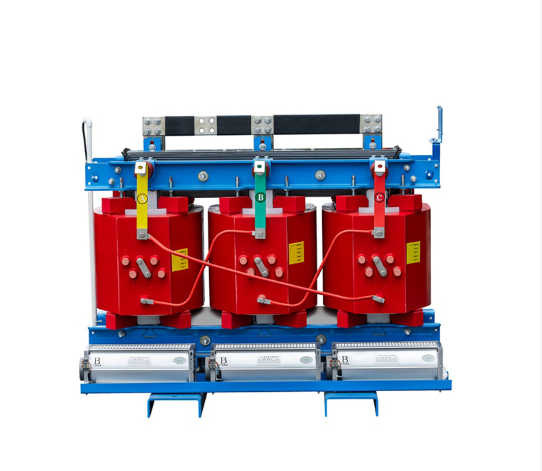
Since there is no oil, the risk of fire or explosion is significantly reduced.
No oil leakage means no soil or water pollution.
They can be installed indoors without special fireproof oil containment systems.
Unlike oil-filled transformers, there is no need for regular oil testing or replacement.
With proper design and usage, dry type transformers can operate reliably for decades.
The dry type distribution transformer is used in a wide range of industries:
In all these applications, safety and reliability are critical, making dry type power transformers the preferred choice.
There are several types of dry type power transformers, including:
Uses epoxy resin for encapsulation, offering excellent insulation and moisture resistance.
Windings are impregnated with varnish under vacuum pressure for better insulation.
Uses air-cooled open windings and is typically used in dry indoor environments.
Each type has its own advantages depending on installation conditions and load requirements.
The global demand for dry type distribution transformers is increasing due to:
Manufacturers like GaoJing have been focusing on improving insulation technology and thermal performance to meet modern energy demands. The innovation in dry type power transformers ensures higher efficiency and better safety standards.
Although dry type transformers require less maintenance, basic care is still necessary:
Proper maintenance ensures long-term stability and performance of the dry type distribution transformer.
Caused by overload or poor ventilation. Solution: improve cooling airflow.
Occurs over long-term use. Solution: regular inspection and replacement if necessary.
Often due to loose core laminations. Solution: tighten structural components.
The dry type distribution transformer is a critical component in modern electrical distribution systems. Its working principle is based on electromagnetic induction, which allows efficient voltage conversion without direct electrical contact between windings.
Compared to oil-filled models, dry type power transformers offer higher safety, lower maintenance, and better environmental performance. These advantages make them ideal for modern infrastructure such as hospitals, commercial buildings, and renewable energy systems.
With continuous technological improvement from manufacturers like GaoJing, dry type transformers are becoming even more efficient, reliable, and widely adopted across global markets.

A dry type distribution transformer is an electrical device used to step down or step up voltage levels using air as the cooling medium instead of liquid insulation. It operates based on electromagnetic induction, where energy is transferred between primary and secondary windings through a magnetic core. Because it does not use oil, a dry type distribution transformer is safer, more environmentally friendly, and suitable for indoor applications such as hospitals, commercial buildings, and data centers.
The main difference between wet (oil-immersed) transformers and dry type distribution transformers lies in the cooling and insulation methods. Wet transformers use insulating oil for both cooling and insulation, while dry type transformers rely on air circulation and solid insulation materials like epoxy resin. Oil transformers generally have higher overload capacity, but dry type transformers offer better fire safety, lower maintenance, and are more suitable for indoor or sensitive environments.
Neither is universally better, as the choice depends on the application. Oil type transformers are often preferred for outdoor or high-capacity power distribution because of their strong cooling performance. However, dry type distribution transformers are better for indoor installations, urban areas, hospitals, and commercial buildings due to their fire resistance and eco-friendly design. In modern infrastructure, dry type power transformers are increasingly favored for safety and maintenance advantages.
Distribution transformers can be categorized into several types based on insulation and cooling methods. The main types include oil-immersed transformers and dry type distribution transformers. Dry type transformers further include cast resin transformers, vacuum pressure impregnated (VPI) transformers, and open-wound air-cooled transformers. Each type of dry type power transformer is designed for specific environments, load conditions, and safety requirements, ensuring flexible use across different industries.
Related Products
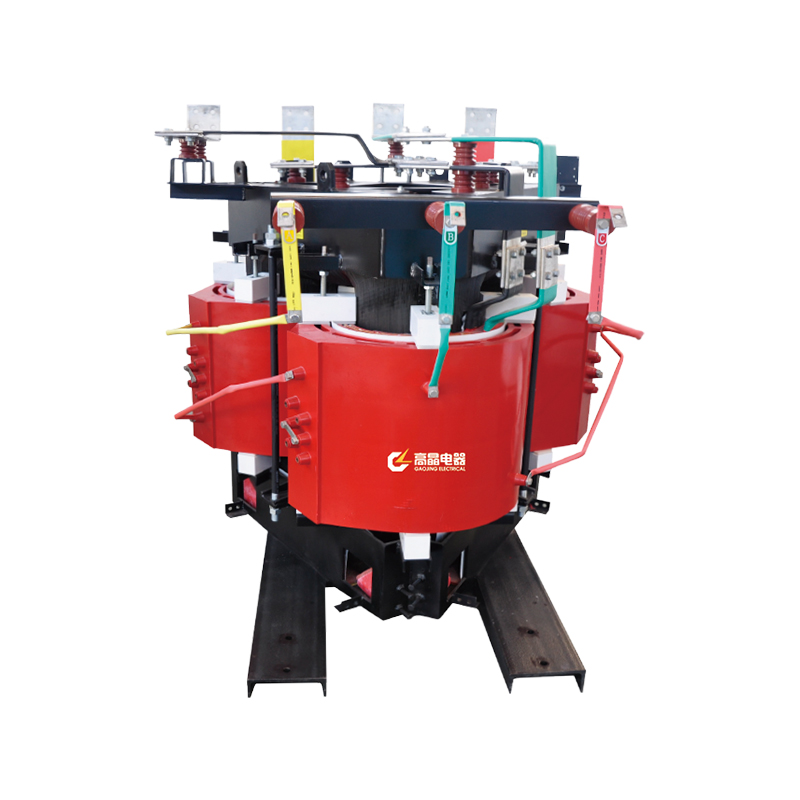
Three-Phase Dry-Type Silicon Steel Tridimensional Toroidal Core Transformer (SCB-RL Series)
The SCB-RL series resin-insulated tridimensional toroidal core dry-type transformer adopts a tridimensional toroidal core as its key component, achieving perfect symmetry in the three-phase magnetic circuit.
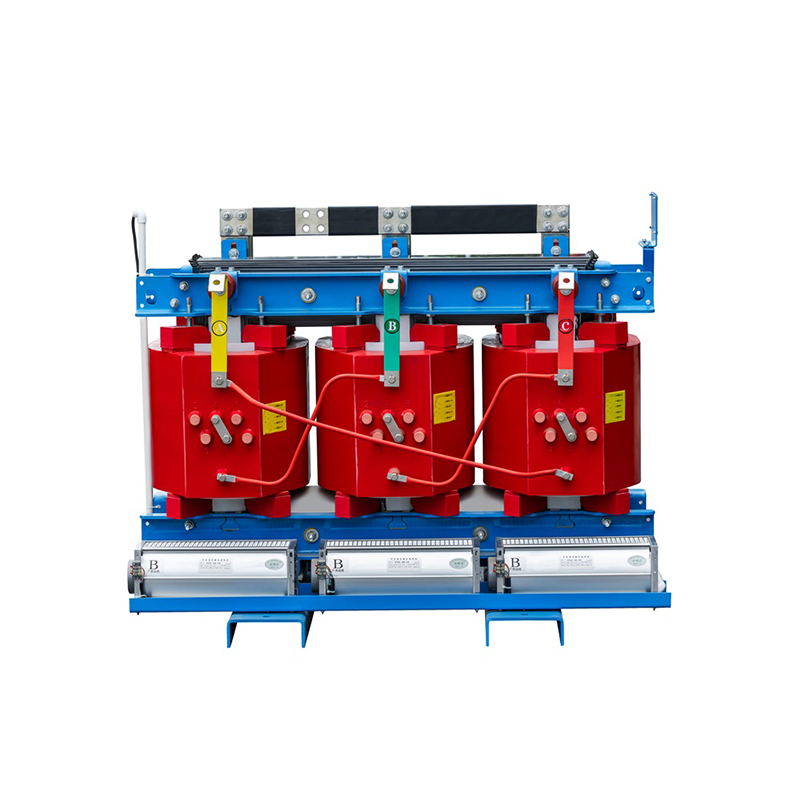
Three-Phase Dry-Type Silicon Steel Laminated Core Transformer
The core of the SCB series laminated core dry-type transformer adopts a core-type structure, typically a three-phase three-limb design.
Three-Phase Dry-Type Amorphous Alloy Tridimensional Toroidal Core Transformer
The SCBH-RL series amorphous alloy tridimensional toroidal core dry-type transformer features an innovative tridimensional toroidal core design.
Require More Customized Solutions?
We offer customization to meet your specific needs. Our expert team will collaborate with you to develop the perfect product for you
Navigation
Navigation
Contact Us
Tel: +86 188 3000 9955
E-mail: gjscb@hbgjdq.com
WeChat: zjj9232013
Add.: No.118, Luchan Road, Yongnian District, Handan City, Hebei Province, China
Send in Inquiry
Send in Inquiry