Apr.13,2026
Silicon steel cores play a critical role in modern electrical power systems, especially in transformers. When we ask, why silicon steel is used in transformer core?, the answer lies in its unique magnetic and electrical properties that significantly improve transformer efficiency.
Transformers are essential for transmitting and distributing electrical energy. Their performance depends heavily on the core material. Among various materials, silicon steel cores are widely preferred due to their low energy loss, high magnetic permeability, and excellent stability under alternating magnetic fields.
In this article, we will explore in detail why silicon steel is used in transformer core structures, how silicon steel cores work, their advantages, and why they are the industry standard in electrical engineering.
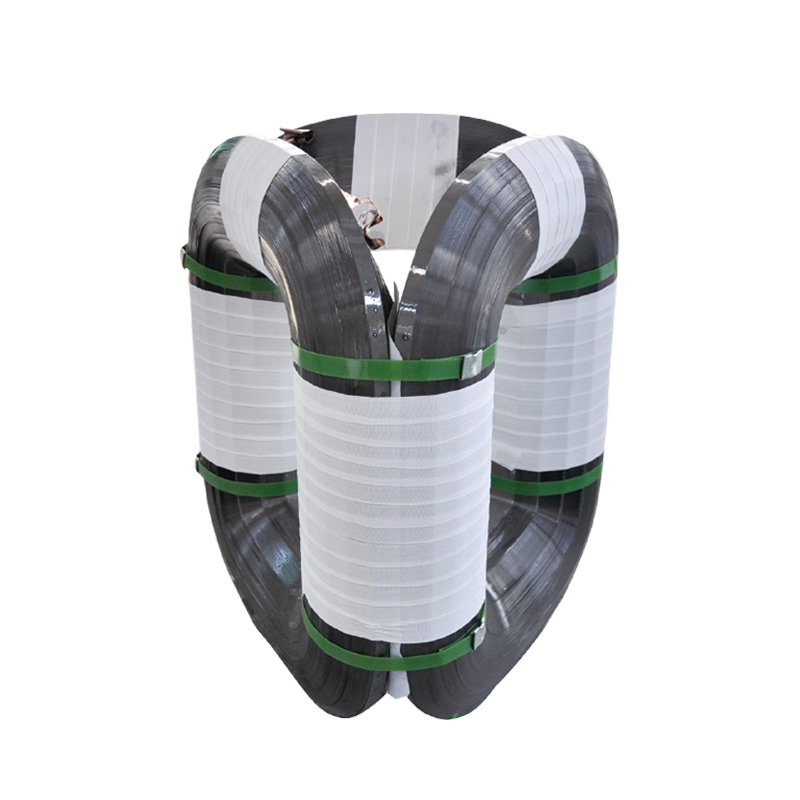
Silicon steel cores are magnetic cores made from iron alloyed with a small percentage of silicon, typically 1% to 4.5%. This combination improves the electrical and magnetic properties of the steel.
The primary function of silicon steel cores in transformers is to provide a low-resistance path for magnetic flux. This helps transfer energy efficiently between the primary and secondary windings.
Silicon steel is also known as electrical steel, and it is specially processed to reduce losses caused by eddy currents and hysteresis. These improvements make silicon steel cores ideal for high-efficiency transformer applications.
The question why silicon steel is used in transformer core can be answered by understanding its key advantages:
One of the main reasons silicon steel cores are used is their low core loss. Core loss consists of hysteresis loss and eddy current loss.
This makes silicon steel cores highly efficient for alternating current (AC) applications.
Silicon steel cores have high magnetic permeability, meaning they can easily conduct magnetic flux. This allows transformers to operate efficiently with minimal energy waste.
High permeability ensures strong magnetic coupling between windings, which improves voltage transformation accuracy.
In transformer cores, alternating magnetic fields induce circulating currents called eddy currents. These currents generate heat and energy loss.
Silicon increases the electrical resistivity of steel, reducing eddy current formation. Additionally, silicon steel cores are often laminated, further reducing these losses.
Silicon increases the resistivity of iron, which is a key factor in reducing energy loss. Higher resistivity means fewer unwanted currents flow within the core material.
This property is essential in high-performance transformers used in power grids and industrial systems.
Silicon steel cores produce less mechanical vibration due to low magnetostriction. This reduces transformer noise during operation, making them suitable for residential and commercial use.
Silicon steel used in transformer cores typically contains:
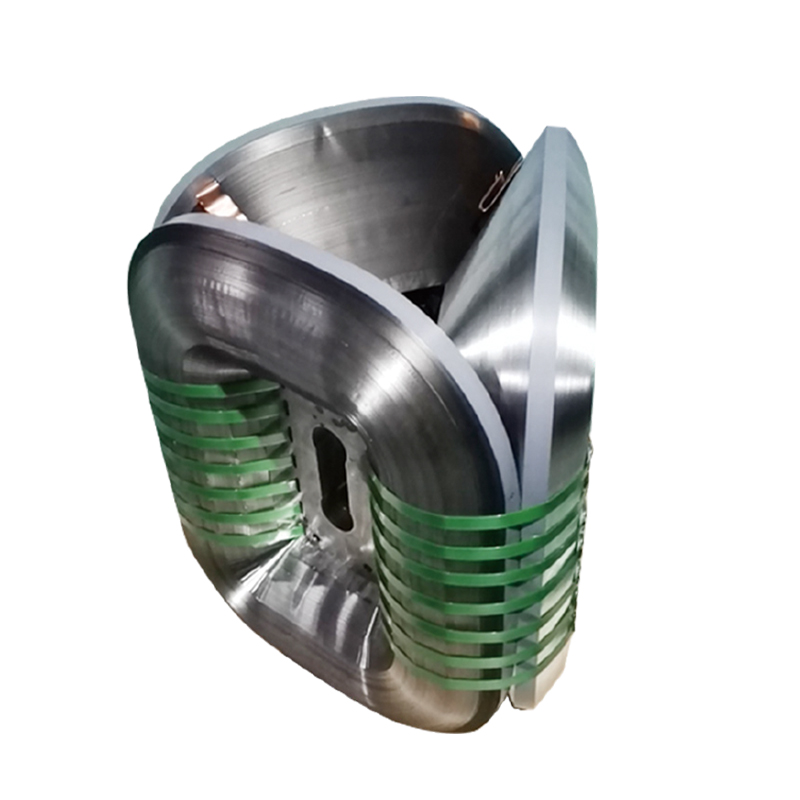
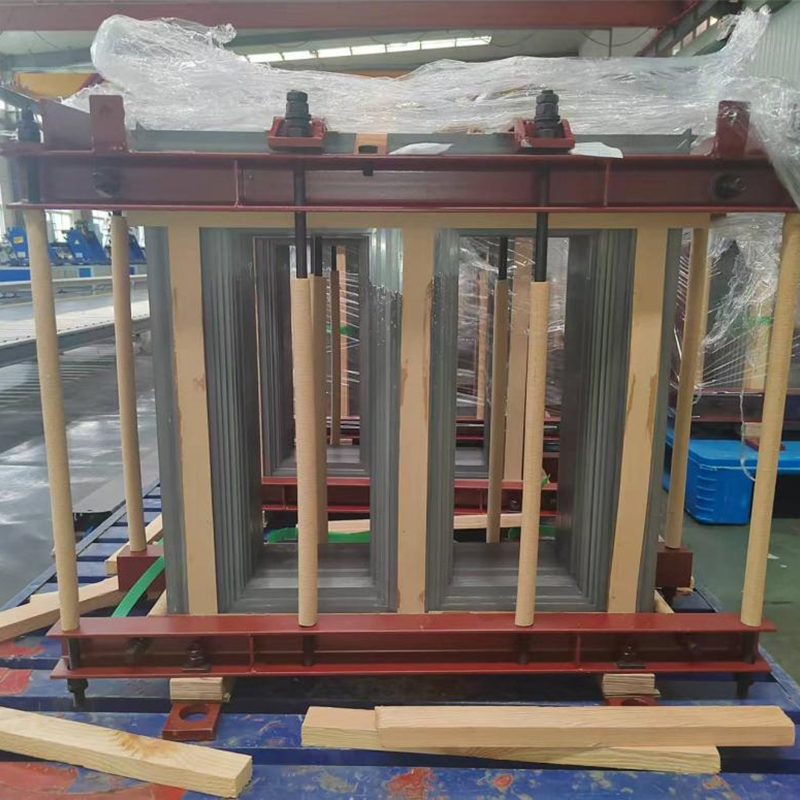
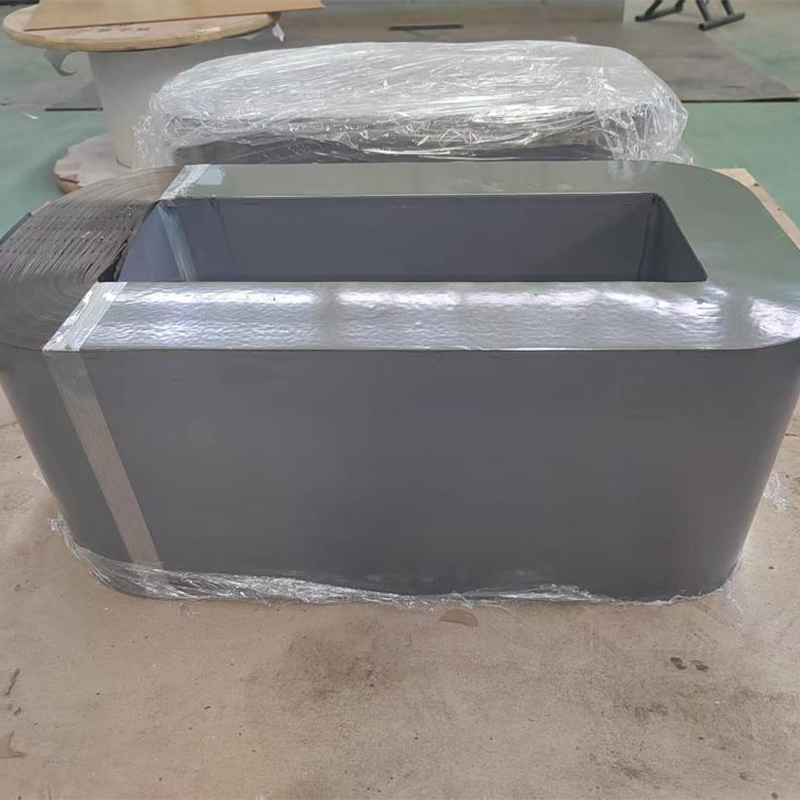
The structure of silicon steel cores is usually laminated. Thin sheets are stacked together with insulating layers between them.
This lamination reduces eddy currents by restricting their flow within each thin sheet.
There are two main types of silicon steel cores:
These are used in high-efficiency power transformers. The grain structure is aligned to improve magnetic properties in one direction.
These are used in rotating machines and smaller transformers where magnetic direction changes frequently.
To understand why silicon steel is used in transformer core, we must understand how transformers work.
When alternating current flows through the primary coil, it generates a magnetic field. This magnetic field passes through the silicon steel core and induces voltage in the secondary coil.
Silicon steel cores provide:
Without silicon steel cores, much of the energy would be lost as heat, reducing transformer efficiency significantly.
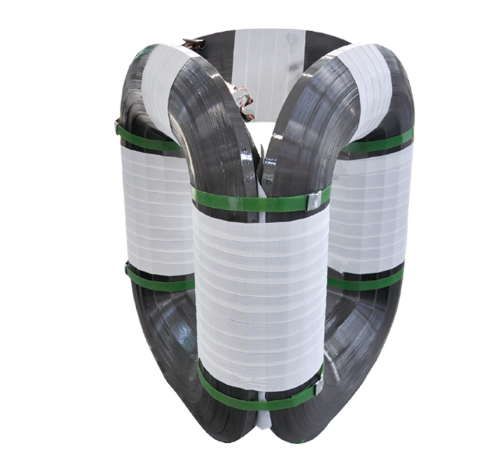
Silicon steel cores offer several advantages that make them indispensable in modern electrical engineering:
Transformers using silicon steel cores can achieve efficiency levels above 95–99%, depending on design.
Reduced core losses mean less wasted electricity, contributing to energy conservation in power distribution systems.
Silicon steel cores are durable and resistant to magnetic aging, ensuring long operational life in transformers.
Even under varying loads, silicon steel cores maintain stable magnetic properties, ensuring consistent voltage output.
Although slightly more expensive than plain steel, silicon steel cores reduce operational costs over time due to improved efficiency.
Silicon steel cores are widely used in:
In all these applications, silicon steel cores ensure efficient magnetic energy transfer and reduced losses.
The production of silicon steel cores involves several key steps:
Iron is alloyed with controlled amounts of silicon.
The material is hot-rolled and cold-rolled into thin sheets.
Heat treatment improves magnetic properties and reduces internal stress.
Each sheet is coated with an insulating layer to prevent eddy currents.
Sheets are stacked into core shapes such as EI, toroidal, or shell-type cores.
Companies like GaoJing apply advanced manufacturing techniques to ensure high-quality silicon steel cores with excellent magnetic performance and low energy loss.
Compared to other materials like ferrite or plain iron, silicon steel cores offer:
Ferrite cores are used in high-frequency applications, but silicon steel cores dominate power frequency transformers.
Another example of industrial innovation comes from GaoJing, which integrates optimized silicon steel cores into transformer systems for better energy efficiency and reliability.
The demand for energy-efficient systems is increasing globally. As a result, silicon steel cores are evolving:
These improvements will further enhance transformer efficiency and reduce global energy waste.
So, why silicon steel is used in transformer core? The answer is clear: silicon steel cores provide the perfect balance of low energy loss, high magnetic permeability, durability, and efficiency.
From power grids to industrial machines, silicon steel cores are essential for modern electrical systems. Their ability to reduce eddy current loss and hysteresis loss makes them the industry standard.
As technology advances, silicon steel cores will continue to play a key role in improving energy efficiency worldwide, supporting sustainable power infrastructure.

Silicon steel is used in transformer cores because it significantly reduces energy losses during operation. The addition of silicon to iron increases electrical resistivity, which helps minimize eddy current losses when alternating current flows through the core. It also improves magnetic permeability, allowing the core to magnetize and demagnetize more efficiently. As a result, transformers become more energy-efficient, generate less heat, and operate more reliably over long periods.
The three main types of transformer cores are core type, shell type, and berry (or distributed) type cores. Core type transformers have windings placed around the limbs of the core and are widely used in power and distribution systems. Shell type transformers surround the windings with the core, providing better mechanical strength and reduced leakage flux. Berry type cores are less common and are typically used in specialized or experimental applications where compact design and specific magnetic properties are required.
CRGO (Cold Rolled Grain Oriented) steel is used in transformer cores because it offers extremely low core losses and high magnetic efficiency in a preferred direction. The grain-oriented structure allows magnetic flux to flow easily along the rolling direction, reducing hysteresis loss and improving overall performance. This makes CRGO ideal for power and distribution transformers where energy efficiency, low noise, and reduced heat generation are critical requirements.
Silicon steel is mainly used in electrical and electromagnetic applications where efficient magnetic performance is required. Its most common use is in transformer cores, electric motors, generators, and inductors. The material’s high electrical resistivity and low hysteresis loss make it ideal for alternating magnetic fields. It helps improve efficiency, reduce energy loss, and enhance the durability of electrical equipment in industrial and power systems.
Require More Customized Solutions?
We offer customization to meet your specific needs. Our expert team will collaborate with you to develop the perfect product for you
Navigation
Navigation
Contact Us
Tel: +86 188 3000 9955
E-mail: gjscb@hbgjdq.com
WeChat: zjj9232013
Add.: No.118, Luchan Road, Yongnian District, Handan City, Hebei Province, China
Send in Inquiry
Send in Inquiry