Jan.20,2026
On December 11, 2025, the Eurasian Economic Commission (EEC) announced that a customs duty exemption policy for electric vehicles (EVs) imported into Armenia, Belarus, and Kyrgyzstan will take effect from 2026. This policy not only marks a new stage in the global development of green transportation but also reflects the surging global demand for EV supporting power equipment .
Per the official policy of the EAEU, Belarus will receive a quota of 20,000 battery electric vehicles (BEVs, EAEU HS Code 8703 80 000 3), while Armenia and Kyrgyzstan will each be allocated 15,000 series hybrid electric vehicles (HEVs, EAEU HS Code 8703 80 000 5). The exemption is limited to permanent residents of these three countries, and the transfer of vehicles to ineligible individuals is prohibited.
Andrey Slepnev, Trade Minister of the EAEU, emphasized that the policy aims to "shape the EV market and develop charging infrastructure" – an objective that relies on synchronized power grid upgrades. As noted in the UNECE’s e-mobility roadmap, the transition to low-carbon transportation requires the integrated development of vehicles and infrastructure, thereby generating an urgent demand for reliable power equipment.
The introduction of this policy is closely linked to the global energy structure transformation and carbon neutrality goals. In recent years, as climate change has become an increasingly pressing issue, many countries have accelerated the layout of electrified transportation. By offering tariff preferences for imported EVs, it not only reduces consumers’ vehicle purchase costs but also increases the penetration rate of new energy vehicles.

From a market perspective, the current ownership of EVs in Armenia, Belarus, and Kyrgyzstan is relatively low, and the supporting infrastructure is still in its initial stage. This tariff exemption policy is expected to become an important lever to stimulate local new energy vehicle consumption. For example, in Belarus, despite the government’s previous introduction of some incentive measures, high import tariffs have remained one of the main obstacles to EV promotion. After the implementation of the new regulation in 2026, a batch of cost-effective imported EVs is expected to enter the local market at an accelerated pace, driving the construction of charging networks and the development of related industrial chains.
Overall, the EV import tariff exemption policy launched by the EAEU this time is a pragmatic measure that balances environmental protection goals, market opening, and regional coordination. It not only helps accelerate the electrification process in the transportation sector of member states but also provides a replicable policy model for other developing regions around the world. As the 2026 implementation date approaches, all parties will continue to pay attention to the improvement of policy details, the establishment of implementation mechanisms, and the actual effects of market reactions. It is foreseeable that driven by policy dividends, the penetration rate of imported EVs within the EAEU will increase significantly, injecting strong momentum into the region’s green and low-carbon transformation.
A senior executive from [Your Company Name] stated: “The EEC’s tariff exemption policy reflects the global surge in demand for EV infrastructure. As a leading supplier of power equipment, we have long focused on Southeast Asia, Africa, Thailand, India, and South Korea – markets where our transformers, charging piles, and switchgear have been proven reliable. We will continue to optimize products to meet regional standards, leveraging our experience in diverse markets to deliver integrated solutions that support local low-carbon development goals.”
Citation Source:
Eurasian Economic Commission. (2025, December 11). Intergovernmental Council granted a tariff exemption for importing electric vehicles to Armenia, Belarus and Kyrgyzstan in 2026 [Press release]. https://eec.eaeunion.org/xxx
Related Products
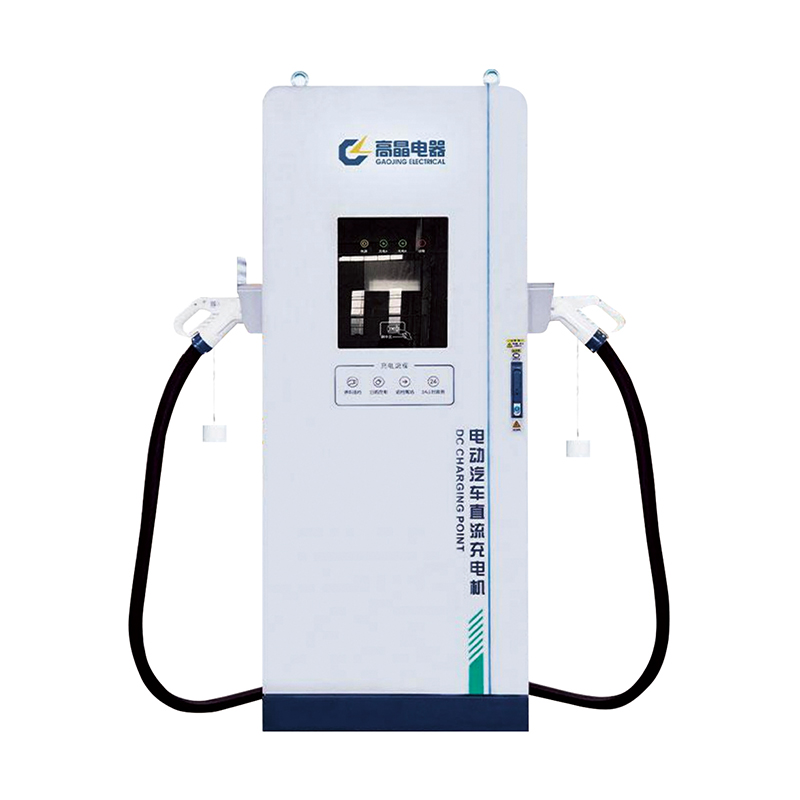
160kW Integrated DC Dual-Gun Charging Pile
Adopts a highly integrated all-in-one design with a high-strength steel body that offers exceptional structural stability and sealing performance.
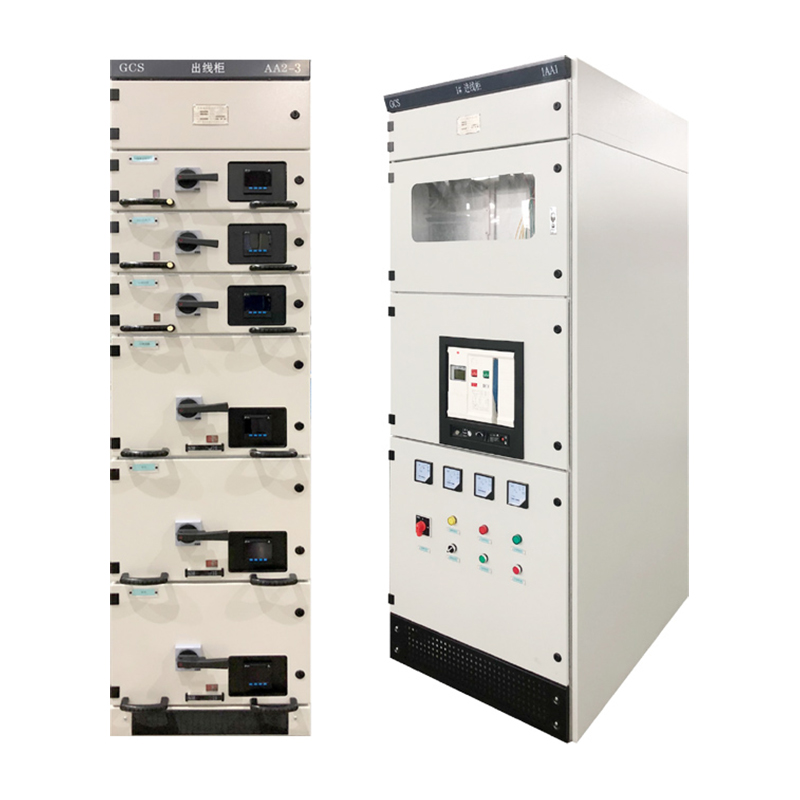
GCS AC Low-Voltage Drawer-Type Switchgear
Strictly Isolated Modular Functional Chambers: The switchgear is divided into functional unit chamber, busbar chamber and cable chamber. Each chamber is independent and non-interfering, greatly enhancing the system reliability.
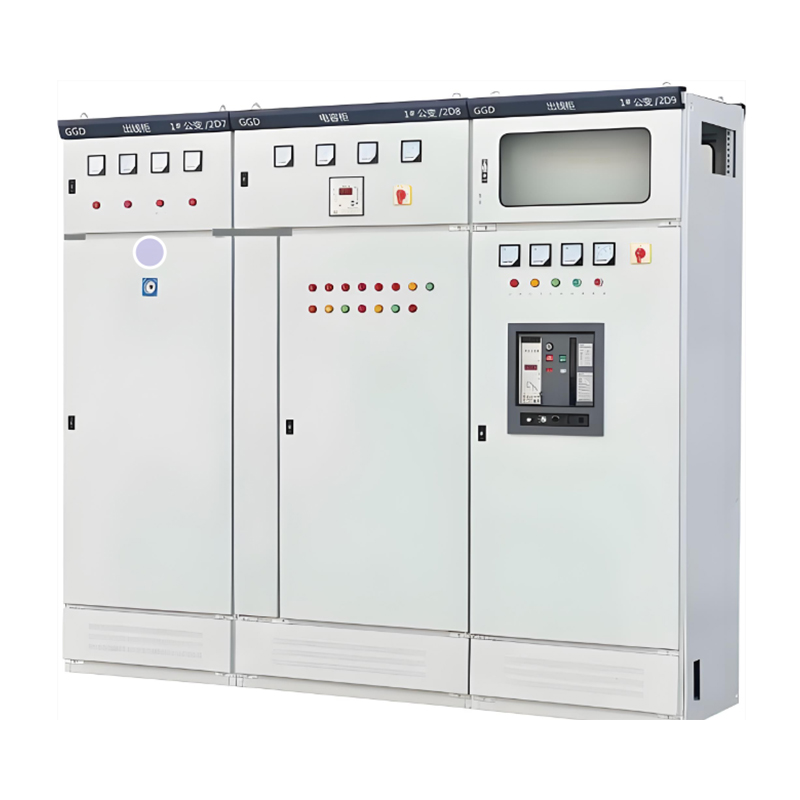
GGD AC Low-Voltage Distribution Cabinet
The cabinet body is assembled or welded using 8MF cold-formed steel sections. The frame is equipped with modular mounting holes arranged in a standardized pattern, offering high versatility and flexible assembly.
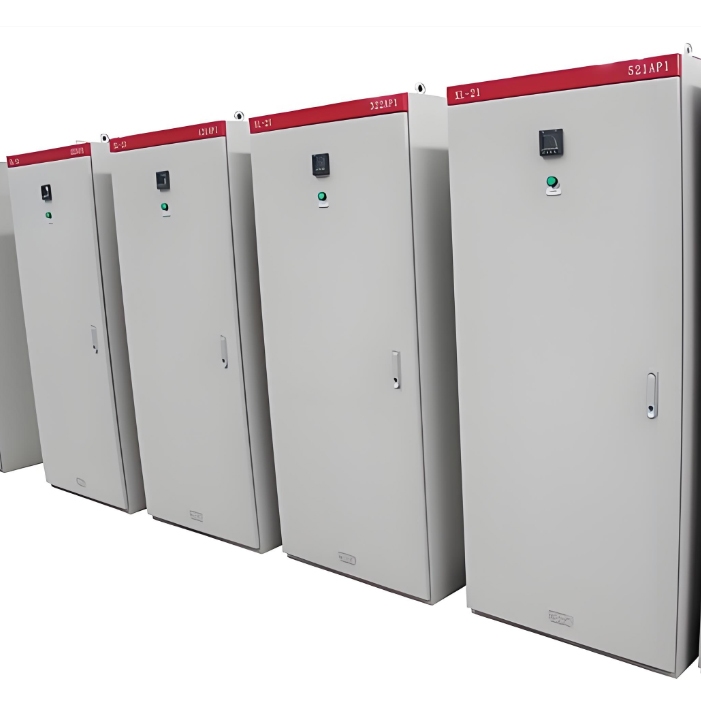
XL AC Low-Voltage Power Cabinet
The cabinet is made of cold-rolled steel plates. Internally, the main busbar is non-fixed and the isolating knife switch is front-accessible, ensuring safe and flexible operation. And it is dedicated to controlling lower-end loads, enabling convenient maintenance.
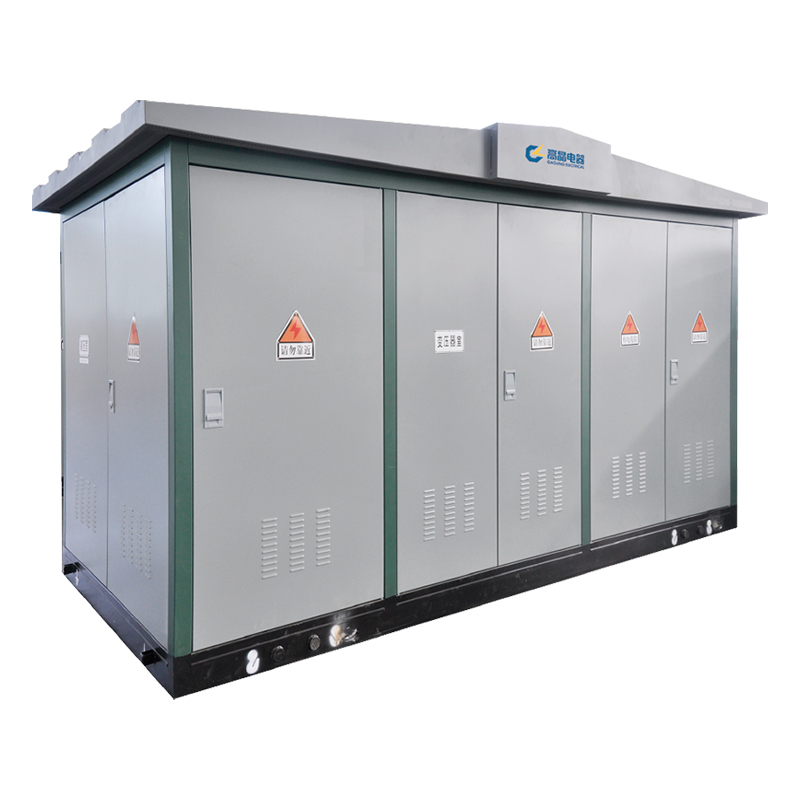
Also known as a prefabricated substation, the box-type substation is a compact indoor/outdoor power distribution unit that integrates high-voltage switchgear, distribution transformers, and low-voltage distribution devices according to specific wiring schemes.
Require More Customized Solutions?
We offer customization to meet your specific needs. Our expert team will collaborate with you to develop the perfect product for you
Navigation
Navigation
Contact Us
Tel: +86 188 3000 9955
E-mail: gjscb@hbgjdq.com
WeChat: zjj9232013
Add.: No.118, Luchan Road, Yongnian District, Handan City, Hebei Province, China
Send in Inquiry
Send in Inquiry